
What's in Promotions?
Don't forget to subscribe so you'll be notified of all promotions and events @ Shop.StageforKids

Boys at Random Places, Only One Set Available
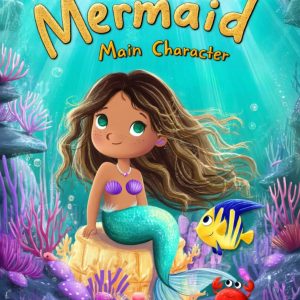
Brown Haired Mermaid, Only One Set Available

Fuzzy Black Cat, Only One Set Available

Gaia Mother Earth, Only One Available
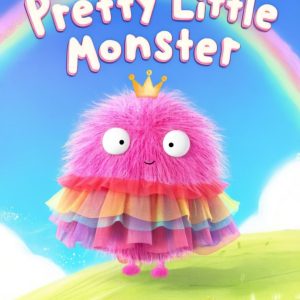
Pretty Pink Monster, Only One Set Available

Rainbow Haired Angel, Only One Set Available
Developing Remarkable Children with Modelling Clay
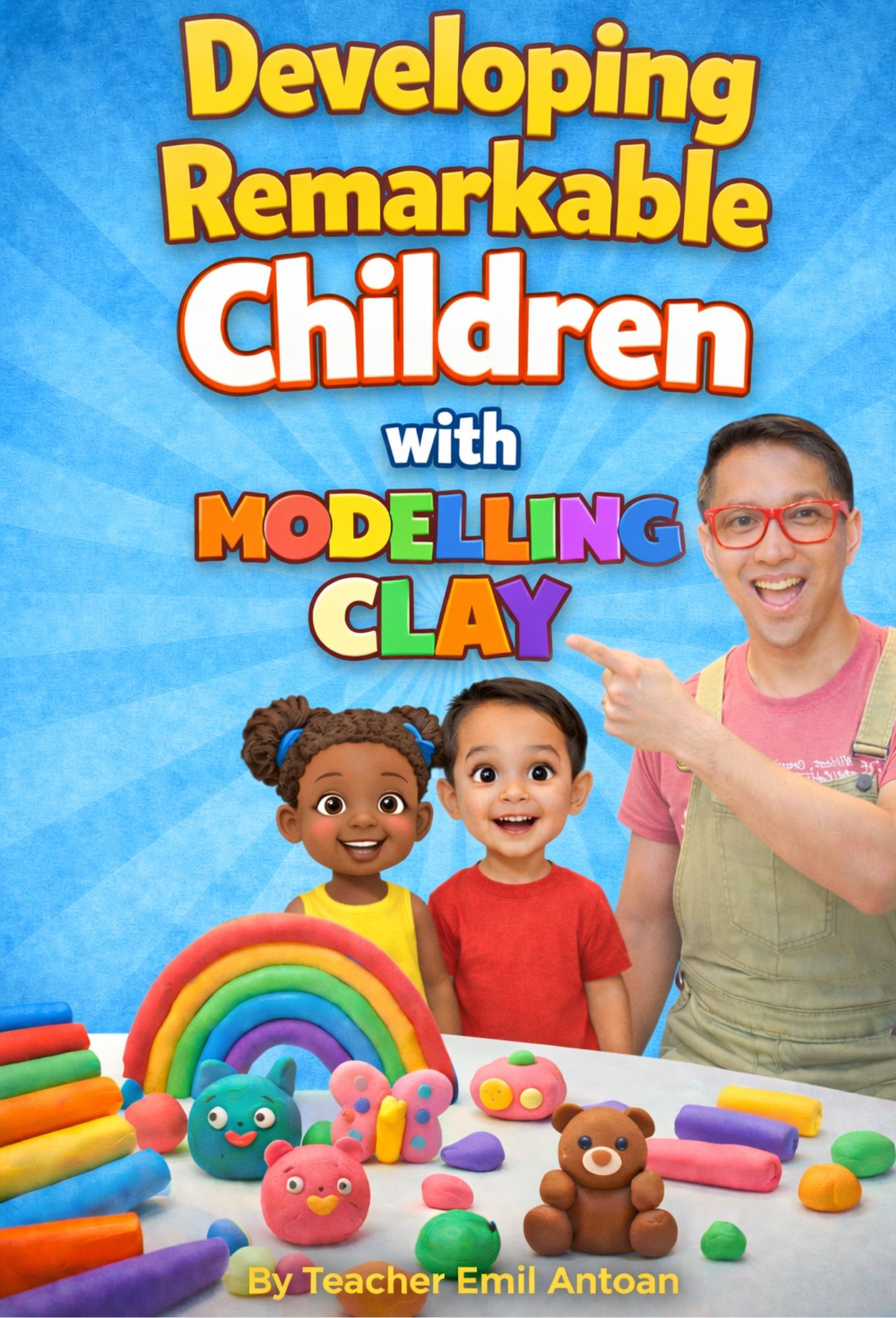
- This item is available for self collection at Studio 77
Description
Developing Remarkable Children with Modelling Clay
A Practical Guide to Emotional Growth, Character Building, and Confidence Through Hands-On Play
What if a small piece of modelling clay could help a child calm down, express emotions, build confidence, and develop strong character?
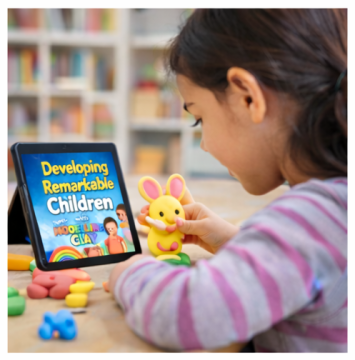 In Developing Remarkable Children with Modelling Clay, international educator Teacher Emil Antoan shares a simple yet powerful system that turns clay into a tool for the brain, the heart, and the character of every child.
This practical guide shows parents, teachers, and therapists how to use clay to help children:
-
Express difficult emotions safely
-
Build confidence and resilience
-
Improve focus and patience
-
Strengthen fine motor and writing skills
-
Develop kindness, courage, and responsibility
-
Grow emotionally and socially through play
Because when children reshape the clay, they learn they can reshape their feelings too.
Modeling Clay to Develop Childr…
Why This Book Is Different
This is not just an art activity book.
It is a complete emotional and character-building system using modelling clay as a safe, hands-on language for children who may not yet have the words for their feelings.
Modeling Clay to Develop Childr…
Through short, simple clay sessions, children learn to:
-
Turn anger into calmness
-
Transform fear into courage
-
Change sadness into hope
-
Build positive character traits through animal symbols
Inside the Book
Preview
Foundations: Why Clay Matters
-
How clay develops the brain, emotions, and character
-
The eight developmental areas supported by clay
-
Clay as a tool for healing, focus, and communication
Modeling Clay to Develop Childr…
The Clay Character System
Children shape emotions and values into simple animal characters, such as:
Character Values:
-
Kindness – Bunny
-
Courage – Lion
-
Responsibility – Ant
-
Patience – Turtle
-
Honesty – Owl
-
Gratitude – Squirrel
-
Cooperation – Penguin
-
Creativity – Peacock
Modeling Clay to Develop Childr…
Emotion Characters:
-
Happiness – Sunflower
-
Sadness – Raindrop
-
Anger – Volcano
-
Fear – Mouse
-
Loneliness – Owl
-
Hope – Star
-
Calmness – Fish
-
Frustration – Donkey
Modeling Clay to Develop Childr…
These simple symbols help children understand complex feelings in a natural, visual, and safe way.
Emotional Transformation Through Clay
One of the most powerful parts of this system is the remolding process.
Children learn to transform emotions physically:
-
Angry volcano → Calm lake
-
Sad raindrop → Rainbow
-
Scared mouse → Brave lion
-
Lonely owl → Friendly dolphin
-
Frustrated donkey → Patient turtle
Modeling Clay to Develop Childr…
This hands-on transformation teaches children:
-
Feelings are real
-
Feelings can change
-
I have the power to grow
The Emotional Clay Routine (Daily 10–20 Minutes)
A simple, repeatable structure for home or classroom:
-
Warm-up with clay
-
Express the feeling
-
Validate the emotion
-
Transform the character
Over time, children learn this emotional pattern:
-
I notice my feeling
-
I express it safely
-
Someone understands me
-
I can change the feeling
Modeling Clay to Develop Childr…
Practical Activities Included
The book provides ready-to-use exercises, such as:
Example Activity: My Feeling Today
-
Child creates a clay character representing their emotion.
-
Adult asks:
“Show me your feeling with the clay.”
“What is your clay character feeling?”Modeling Clay to Develop Childr…
Example Activity: The Kind Bunny
-
Child molds a bunny.
-
Adult asks:
“Who could your bunny help today?”Modeling Clay to Develop Childr…
Example Activity: Volcano to Lake
-
Child creates an angry volcano.
-
Then reshapes it into a calm lake.
Modeling Clay to Develop Childr…
Included Reference Lists
This book also contains:
40 Character Traits with Animal Symbols
Examples include:
-
Honesty – Owl
-
Kindness – Bunny
-
Respect – Elephant
-
Empathy – Dog
-
Forgiveness – Dove
-
Perseverance – Salmon
-
Self-confidence – Tiger
-
Integrity – Lion
-
Curiosity – Fox
-
Enthusiasm – Kangaroo
Modeling Clay to Develop Childr…
Each trait includes:
-
A character symbol
-
A simple explanation
-
A short story or life example
Common Emotions with Clay Characters
Examples include:
-
Happiness – Sunflower
-
Sadness – Raindrop
-
Anger – Volcano
-
Fear – Mouse
-
Anxiety – Cat
-
Pride – Peacock
-
Hope – Star
-
Calmness – Fish
Modeling Clay to Develop Childr…
Each emotion includes:
-
A simple simile
-
A character idea
-
A short explanation or scenario
Perfect For
-
Parents of children ages 3–10
-
Preschool and primary teachers
-
Speech and drama educators
-
Counselors and therapists
-
Homeschool families
-
Social-emotional learning (SEL) programs
-
Character education classes
Real Benefits for Children
With regular clay sessions, children can:
-
Calm their bodies and minds
-
Express difficult emotions safely
-
Improve focus and patience
-
Build kindness, courage, and responsibility
-
Develop strong, confident personalities
A Simple, Powerful Formula
Safe adult + expressive clay + gentle guidance = remarkable growth.
Instant Download 🙂 please note that Shop.StageforKids.com is a global online store, using US$ as currency.
Related products
A Treasury of Dramatic Games & Short Plays Volume Five (eBook)
Original price was: $3.99.$2.88Current price is: $2.88.
A Treasury of Dramatic Games & Short Plays Volume One (eBook)
Original price was: $3.99.$2.88Current price is: $2.88.
The Book on Values & Character Development Volume Five (eBook)
Original price was: $6.99.$2.88Current price is: $2.88.
Book on Intra & Interpersonal Skills Volume Four (eBook)
Original price was: $6.99.$2.88Current price is: $2.88.